



Living in a joint family is a beautiful compression of stories, rituals and shared routines but it can also be a design challenge. In India, where multigenerational households still persist across cities and towns, interiors need to do double duty: preserve togetherness while protecting personal space. The goal of joint family house interior design isn’t to segregate family members, it’s to choreograph the home so everyone can live well together and apart.
Thoughtful joint family house interior design balances emotional closeness with spatial clarity, ensuring the home supports evolving family dynamics rather than constraining them.
Zoning means dividing the home into clear activity areas: public (living/dining), semi-public (kitchen, study), and private (bedrooms, bathing). For joint families, add flexible buffer zones, a family lounge, a prayer alcove, or a multi-use verandah that act as shared cushions between private rooms and communal life. Thoughtful zoning of family interiors reduces daily friction while reinforcing social rituals, making them a foundational principle of joint family house interior design.
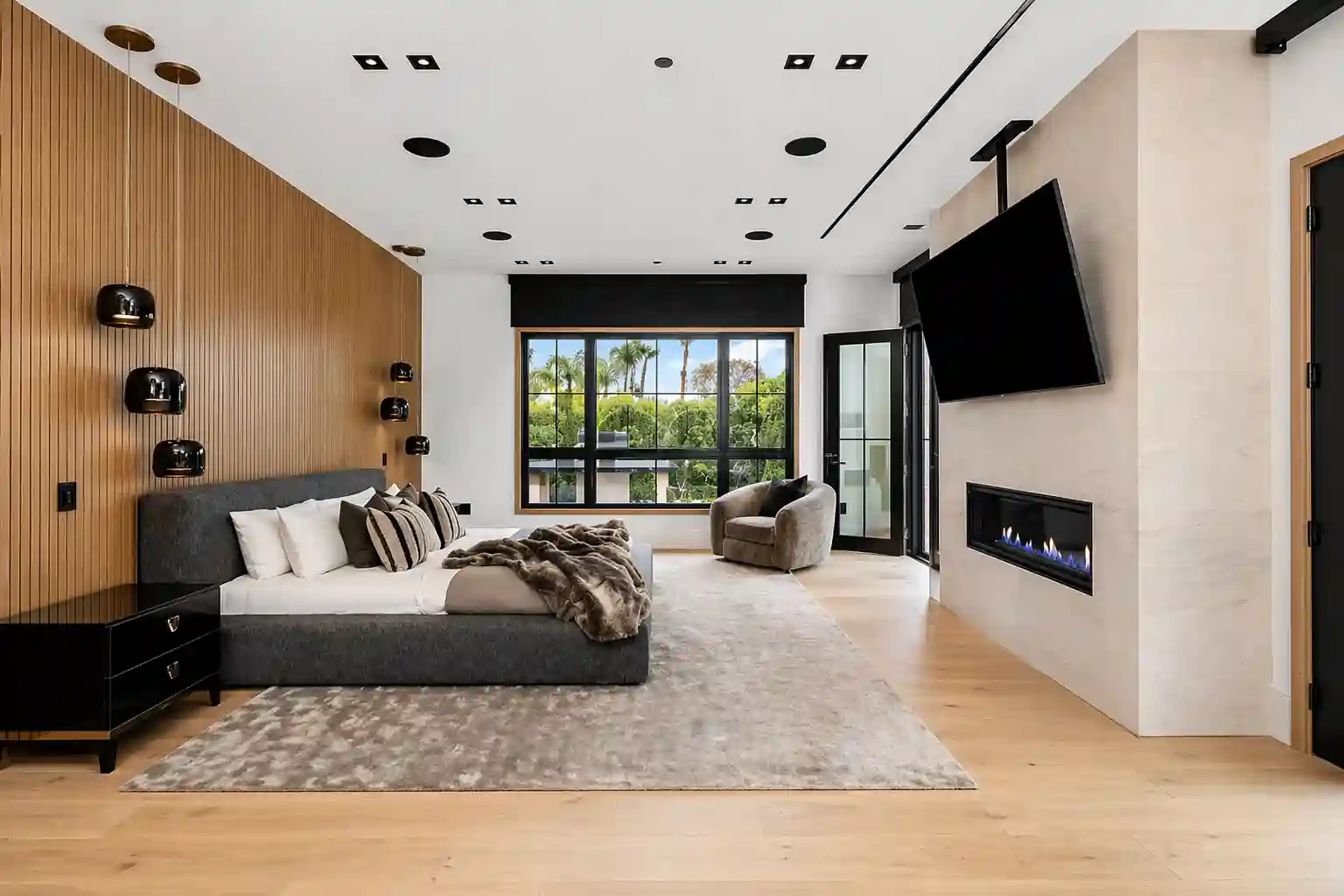
For instance, in a 3BHK joint family home, the grandparents can occupy the bedroom closest to the living area for easy access, while the couple and children can use rooms further inside for quieter routines. This simple allocation of zones prevents daily overlaps and shows how joint family house interior design reduces friction through thoughtful planning.
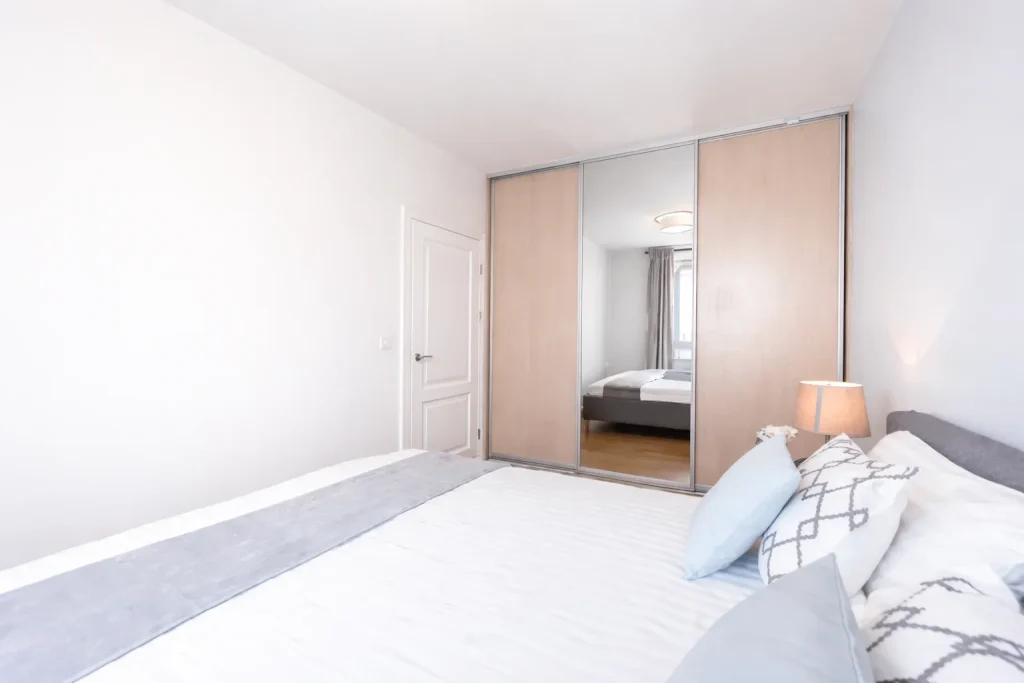
You don’t need to build a fortress to get privacy. Sliding panels, folding screens, and operable partitions let a room be open for family time and private for introspection. In Indian homes, sliding jali panels, wooden barn doors, or frosted-glass sliders work beautifully as they preserve light while providing acoustic and visual separation when needed. Because the partition is movable, it supports varying family rhythms: open for festivals, closed for exams or siesta. These systems are cost-effective and far less disruptive than adding full walls, and they align perfectly with joint family house interior design.
Privacy isn’t one-size-fits-all. Visual privacy stops sightlines; acoustic privacy controls sound; functional privacy organizes access. For example, a balcony that’s visually private but acoustically loud won’t help a nursing grandparent. On the other hand, balcony designs that merge visual and acoustic privacy are ideal for all members of the family, irrespective of their age.
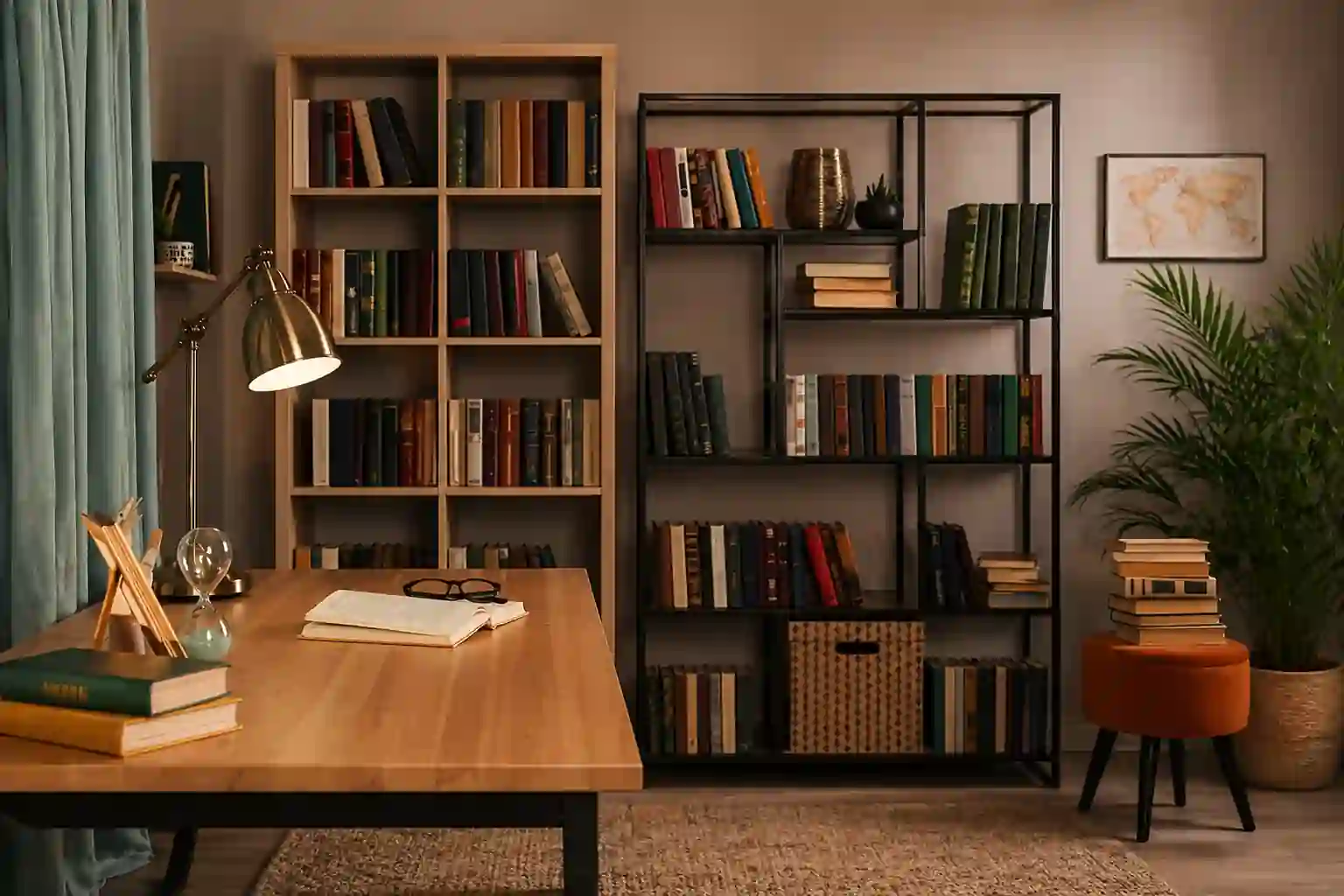
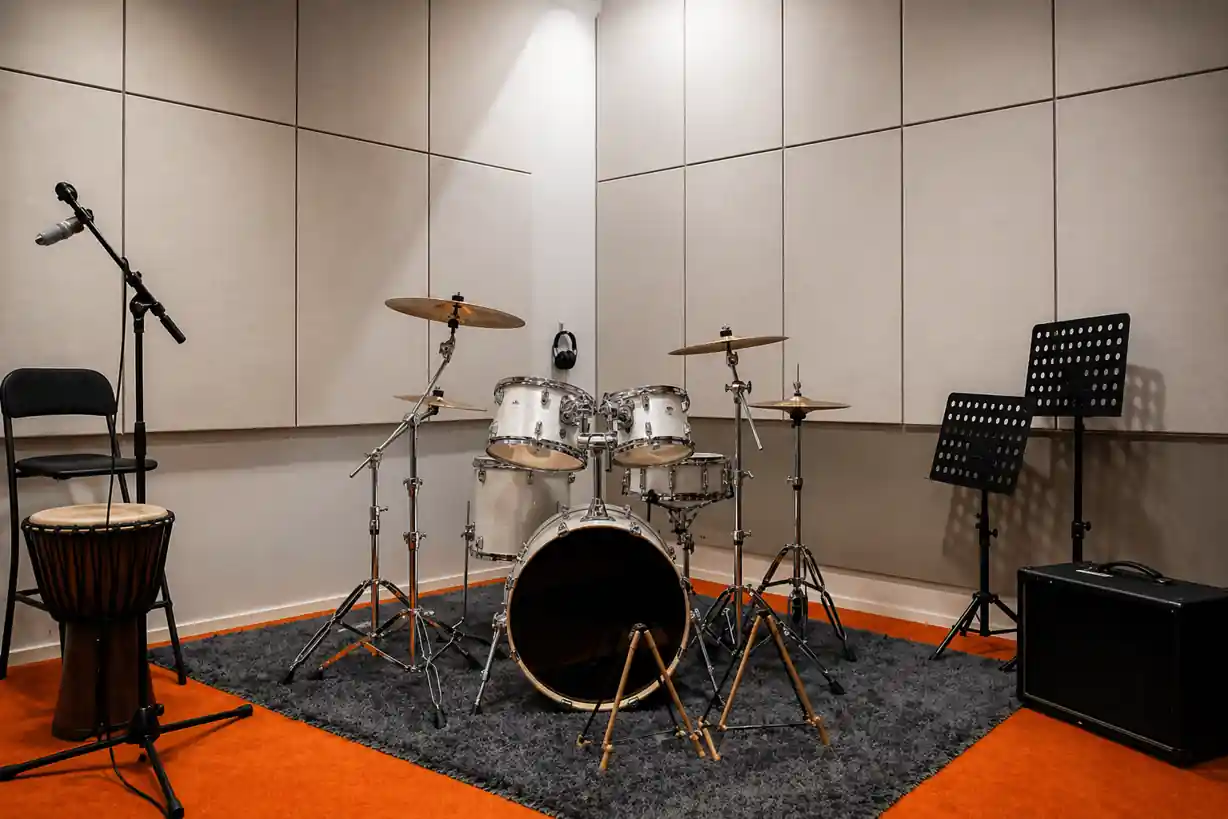
Combine measures: position bedrooms away from high-traffic zones, use soft furnishings and acoustic panels to soak sound, and add visual screens or planters to break sightlines. Even a bookshelf partition or fabric curtain creates psychological distance that matters.
In real homes, privacy conflicts show up in everyday moments: a child preparing for exams while the TV is on in the next room, elders trying to rest as younger kids play, or a working adult taking WFH calls in a bustling shared home. Thoughtful joint family house interior design anticipates these overlaps and softens them through layered privacy rather than strict rules.
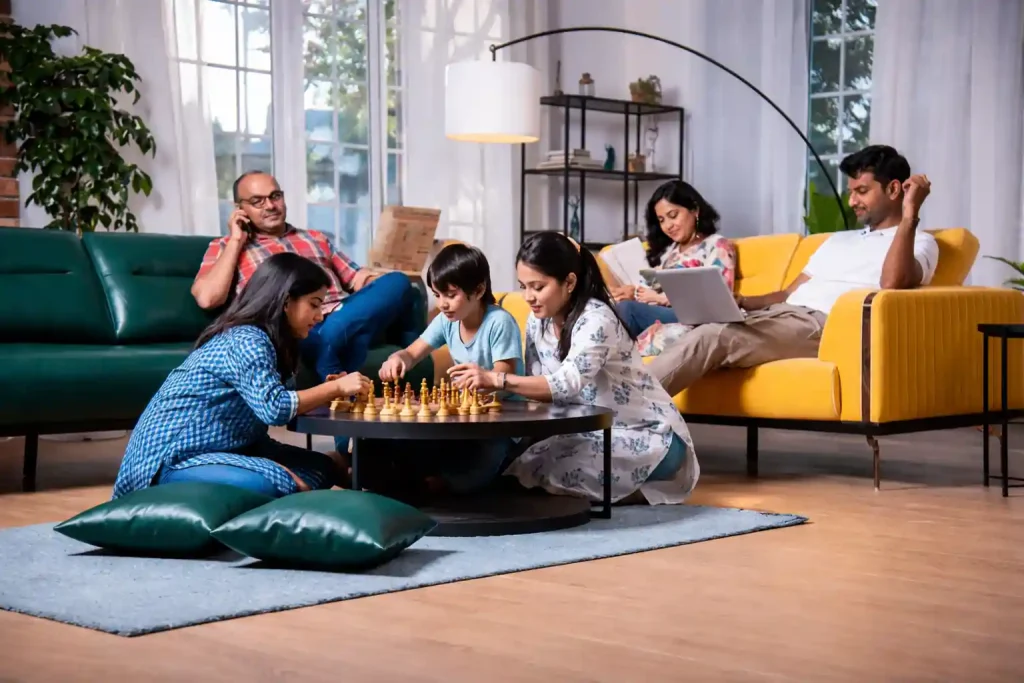
A teenager needs a quiet study corner; an elder needs accessible corridors and an ensuite that’s easy to use. Universal design principles, like step-free thresholds, grab bars, non-slip floors, and lever handles, make homes safe and private for older adults without sterilising the aesthetic. Addressing these micro-needs in joint family house interior design reduces the number of “house rules” families have to impose.
Multigenerational home designs in India support harmony without forcing family members to constantly negotiate for quiet or space. This is especially important in urban homes, such as the compact apartments of Mumbai. Mumbai based interior designers know the pain of living in a constrained space with a multigenerational family, which is why they take special care when creating private spaces for each family member.
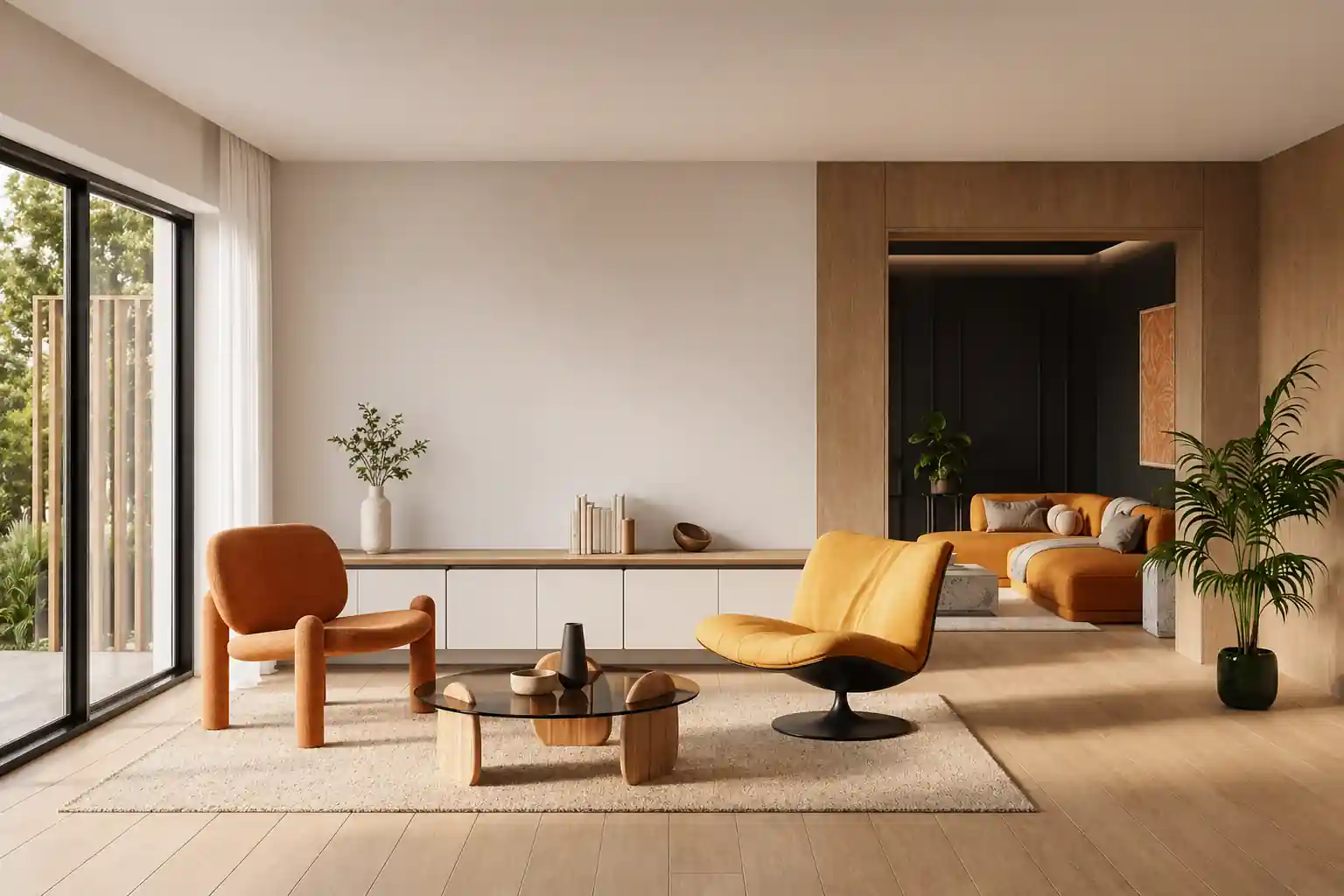
Togetherness thrives when the home has destinations where people want to gather. These shared nodes should be comfortable, adaptable and centrally located so they become the social heart, not traffic bottlenecks. When shared spaces are intentionally pleasant, private spaces can afford to be more secluded without cutting family ties, striking an essential balance in the joint family house interior design.
A small but crucial principle: plan paths so people don’t have to pass through private zones to reach common areas. Circulation that routes guests and daily traffic around private bedrooms or provides secondary entrances for elders or in-laws reduces awkwardness and preserves dignity. For existing homes, small surgical changes like reorienting doors, using corridors as mini-lobbies, or converting a cupboard into a short hallway can make a dramatic difference to everyday comfort in the joint family house interior design.
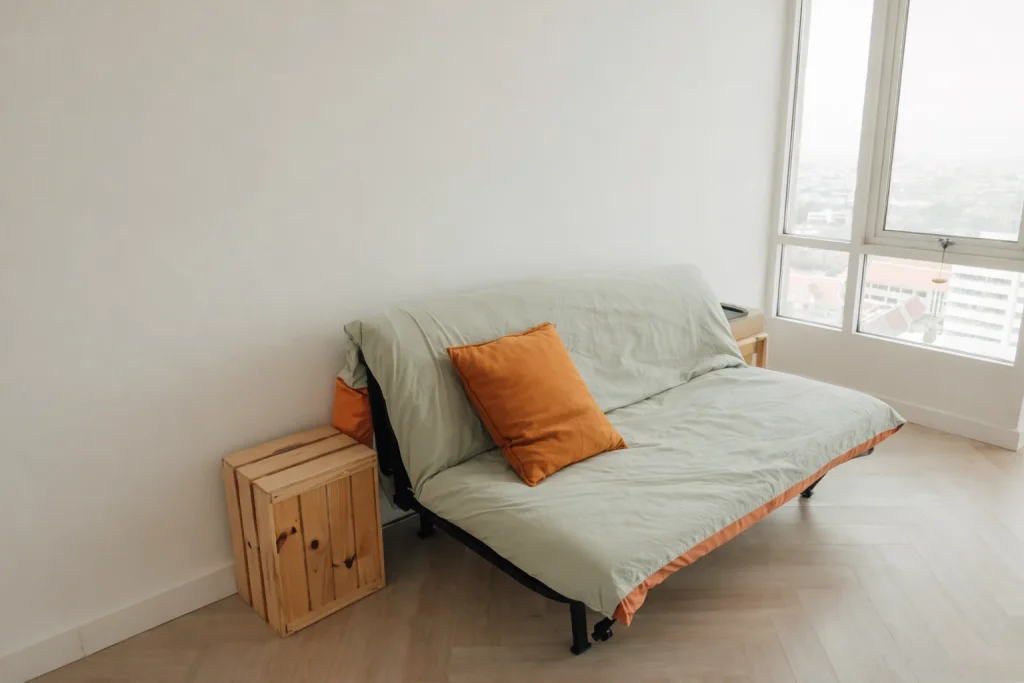
In a bustling joint home, clutter kills privacy. Modular furniture such as sofa beds, fold-away tables, and built-in storage benches help keep shared areas tidy and multi-use. Custom wardrobes, pull-out workdesks and lockable drawers give individuals control over possessions and micro-spaces. Good storage is the unsung hero of harmonious joint family house interior design.
In many Indian homes, balconies, terraces, and courtyards act as pressure valves. They’re perfect for tea time conversations, quiet reading, or a child’s play area activities that would otherwise compete for indoor space. Designing these semi-outdoor rooms as comfortable, weather proofed extensions multiplies usable square footage and gives family members alternate places to retreat.
Bonito Designs approaches joint family house interior design through its LifeDesign philosophy, which focuses on real lifestyles rather than fixed templates. Every home is planned around daily routines, like when family members gather, rest, work, or need privacy, so layouts respond to lived patterns instead of assumptions. Backed by ISO-certified quality processes, this method ensures consistency, precision, and long-term performance across every project.
Instead of relying on rigid walls, Bonito Designs creates buffer zones that absorb movement and noise while preserving openness. Detailed planning ensures privacy-sensitive elements, such as circulation paths, acoustic treatments, and visual screens, are executed accurately through in-house teams. This end-to-end control allows joint family house interior design to translate intent into everyday comfort without compromise.
Joint family house interior design is ultimately a practice in empathy translated into architecture. The trick isn’t to privatise the home completely, but to choreograph it so every family member can choose when to be together and when to be alone without friction or guilt. That balance of privacy without breaking togetherness is the art of a successful multigenerational home.
If you want a joint family house interior design built around your routines and lifestyle, book a consultation with Bonito Designs.